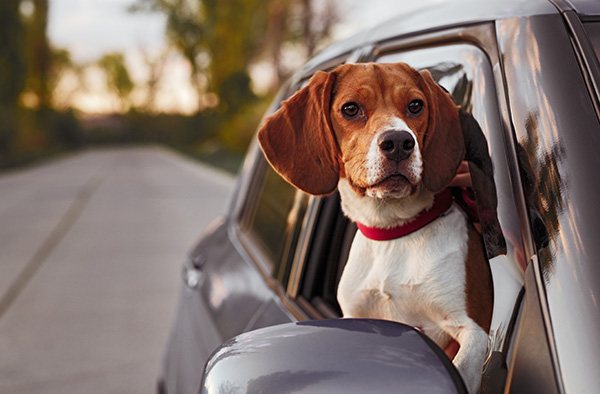
Road trips are a lot of fun until you add one thing you did not fully plan for: a dog pacing between the seats, a cat loudly objecting to every mile, or a back seat that suddenly feels more like a mobile pet supply closet than a vehicle. We love seeing families travel with their pets, but we also know from experience that road tripping with animals takes a little more thought than tossing a leash in the car and heading out.
At our shop, we usually talk about road trips in terms of tires, brakes, fluids, and air conditioning. All of that still matters, of course. But when pets are coming along, the trip changes a bit. Comfort matters more. Cabin temperature matters more. Clean air matters more. Stops need more planning. And honestly, the whole drive tends to go better when your vehicle is ready for both the humans and the four-legged passengers.
If you have ever driven with a dog who gets carsick, a cat who hates the carrier, or a pet who gets restless after twenty minutes, you already know this is not just about making it to the destination. It is about making the drive manageable for everyone in the vehicle.
Start With Your Pet’s Comfort Level, Not Just Your Travel Plans
One of the biggest mistakes people make is assuming their pet will automatically adjust to a long ride just because they are excited about the trip. Some pets are natural travelers. Others are not. A dog may love short rides to the park and still struggle on a six-hour drive. A cat who tolerates a quick trip to the vet may be completely overwhelmed by a full day in the car.
That is why it helps to be honest before you leave. If your pet is not used to long drives, do a few practice rides first. See how they react to longer stretches in the car. Notice whether they get anxious, drool, whine, pant heavily, or seem unusually restless.
A road trip tends to go much better when the pet has at least some familiarity with the experience instead of being thrown into an all-day drive out of nowhere.
Safety Should Come Before Convenience
We understand the temptation to let a pet roam freely in the vehicle, especially if they seem happier that way. But from a safety standpoint, it is not a great idea. A loose pet can distract the driver, interfere with steering or braking, or become injured during a sudden stop.
For road trips, we strongly recommend secure travel setups. Depending on the pet, that may mean a crash-tested harness, a secured carrier, or a travel crate positioned safely in the vehicle. The goal is to keep your pet protected while also making sure the driver can focus on the road.
A few basics help a lot:
- Use a secure harness, crate, or carrier designed for vehicle travel
- Keep pets out of the front seat when possible
- Do not let them ride on a driver’s lap or move freely between rows
- Make sure carriers are well-ventilated and stable
A calm, secure pet is usually a safer and more comfortable traveler than one moving around the cabin.
Make Sure The A/C Is Actually Ready For The Trip
This is a big one. Pets can overheat much faster than people realize, especially in warm weather, heavy traffic, or a fully loaded car. If your air conditioning has been weak, slow to cool, or inconsistent, a road trip with pets is not the time to hope it will somehow be fine.
We always remind customers that animals in the back seat may feel heat even more strongly, especially if airflow is weak or luggage is blocking vents. Dogs and cats cannot tell you the A/C is not keeping up until they are already uncomfortable, and by then the drive can become stressful fast.
Before a pet-friendly road trip, make sure:
- The A/C cools the cabin quickly and consistently
- Airflow reaches the back seat or cargo area if that is where your pet will ride
- Cabin air smells fresh and not musty or stale
- The vehicle does not struggle to stay cool while idling or in traffic
Pack For Your Pet Like They Are A Passenger
The more organized you are before leaving, the smoother the drive usually feels. Bring the things your pet uses regularly so the car feels a little more familiar and your stops are easier to manage.
A good pet travel kit usually includes:
- Water and a travel bowl
- Food and a few familiar treats
- Leash, harness, and waste bags
- Medications if needed
- A favorite blanket or toy
- Towels or seat covers
- Cleaning supplies for accidents or messes
Familiar items can make a surprisingly big difference, especially for anxious pets. Something as simple as their usual blanket can help the car feel less strange.
Plan More Stops Than You Think You Need
When people picture road trip timing, they often think in terms of how long they can comfortably drive between stops. Pets tend to have their own schedule. Dogs need breaks to walk, drink water, and burn off nervous energy. Cats may not want to leave the carrier, but they still benefit from quieter pauses and a stable environment.
Frequent stops can make the drive easier on everyone. They reduce restlessness, give pets a chance to reset, and make the car feel less confining. For dogs especially, a quick walk can turn a rough hour into a much calmer next stretch of driving. Try not to wait until your pet is clearly uncomfortable. Planned stops work better than reactive ones.
Watch For Signs Your Pet Is Not Handling The Drive Well
Some pets travel quietly but still are not doing well. Others make it very obvious. Either way, it helps to know the signs that your pet is stressed, overheated, or struggling with the ride.
A few things to watch for include:
- Heavy panting that does not settle down
- Excessive drooling
- Whining, pacing, or restlessness
- Vomiting or signs of nausea
- Lethargy or unusual quietness
- Obvious anxiety or panic in the carrier
If something seems off, trust your instincts. Pull over safely, let the pet calm down, check water and temperature, and make sure they are okay before continuing. It is better to lose a little time than push through and end up with a much bigger problem.
Do Not Leave Pets In The Car Alone
This one is worth saying plainly. Never leave your pet alone in a parked car, especially in warm weather. Even with windows cracked, interior temperatures can rise much faster than people expect. A quick stop can become dangerous quickly.
If the trip involves food stops, shopping, or anything else where someone cannot stay with the pet, plan ahead. Drive-thrus, pet-friendly stops, and tag-team breaks usually work better than assuming a few minutes will be fine. When it comes to heat inside a parked car, a few minutes can matter a lot.
Make Sure Your Vehicle Is Ready Too
Before a road trip, it is smart to check the same basics we would recommend for any trip:
- Tire pressure and tread
- Brake condition
- Engine oil and coolant
- Battery strength
- Air conditioning performance
- Wiper blades and washer fluid
- Cabin air filter condition
Road Trip Prep at Auto Masters Repair
At our shop, we think good road trip prep should include every passenger, including the furry ones. If you are getting ready to hit the road with your pet, let our team at Auto Masters Repair in Columbus, GA help make sure your vehicle is ready for the adventure.
We can inspect your tires, brakes, A/C, fluids, and more so you, your family, and your pets can travel more comfortably and confidently.
Call us today or stop by!