Posted on 8/28/2026
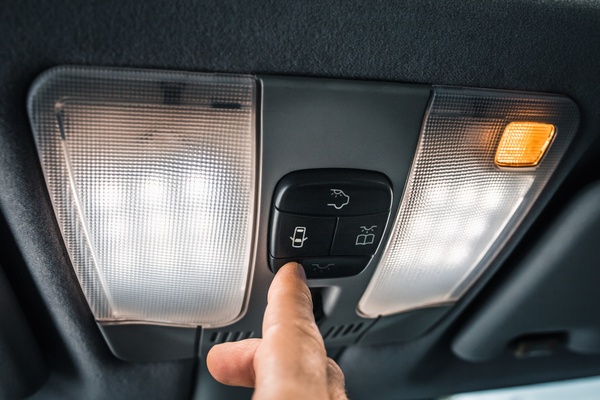
Vehicle lights are easy to forget about because most of them work without drawing attention to themselves. You may notice a headlight that burns out, but a failed brake light, license plate light, side marker, or interior lamp can go unnoticed for quite a while. A good habit is to check your exterior lights every one to three months and have them looked over during regular maintenance. Interior lights can be checked at the same time. It is also smart to inspect the lighting system before a long trip, after electrical work, or anytime you notice flickering, dimming, or a warning message on the dashboard. Why Exterior Lights Deserve Regular Checks Exterior lights do much more than help you see at night. They also let other drivers know when you are braking, turning, reversing, or simply sharing the road with them. Because of that, even one failed lamp can create a safety concern. The problem is that many exterior lights are difficult to check from the dri ... read more
Posted on 7/31/2026
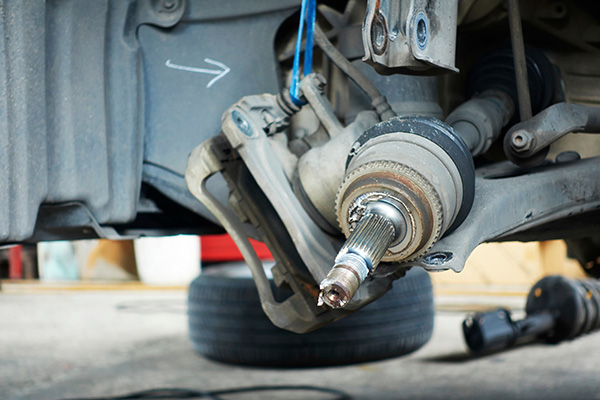
A clicking sound during a turn is one of those noises that quickly becomes hard to ignore. It may happen only in parking lots, during U-turns, or when pulling into a driveway with the steering wheel turned sharply. At first, the car may still steer normally and feel completely fine on the road. The most common cause is a worn CV joint, but it is not the only possibility. Loose wheel-well panels, steering parts, suspension joints, and even tire contact can produce a similar sound. Paying attention to when the clicking happens can help narrow down where it is coming from. A Worn CV Joint Is Often The Cause Most front-wheel-drive vehicles use CV axles to send power from the transmission to the wheels. CV stands for constant velocity, and each axle has joints that allow it to keep transferring power while the wheels turn and the suspension moves. The outer joint works at its sharpest angle during tight turns. As the joint wears, its internal bearings and gr ... read more
Posted on 6/26/2026
Most drivers have done it at least once. A noise shows up, a light comes on, or the car feels a little different, and the first thought is that maybe it will go away. Sometimes it does. More often, the car gave an early warning before something larger began to take shape. The hard part is knowing which symptoms can wait and which ones should be checked sooner. A car does not have to feel broken to need attention. These five problems are easy to downplay at first, but they can become costly when ignored for too long. 1. A Small Fluid Leak Under The Car A few drops under the vehicle may not look like much. Maybe it is oil. Maybe it is coolant. Maybe it only appears after a longer drive. The temptation is to wipe it up, keep driving, and see what happens. Fluid leaks deserve more respect than that. Engine oil protects moving parts. Coolant keeps the engine from overheating. Brake fluid helps create stopping pressure. Transmission fluid protects the shiftin ... read more
Posted on 5/29/2026
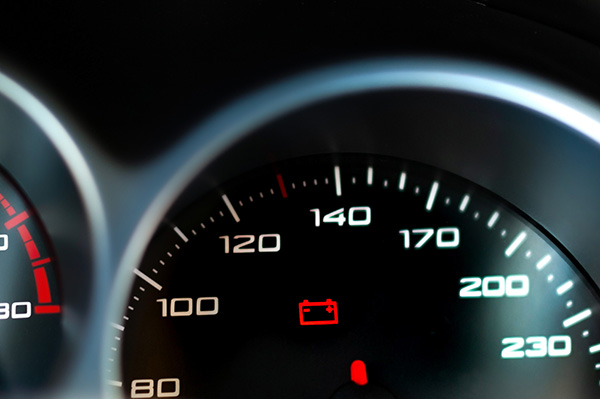
A battery warning light does not always indicate a bad battery. That is the part that catches people off guard. The light may have a little battery symbol on it, but it is really warning you about the charging system. In plain terms, the car is saying the electrical system isn't being supplied as it should be. Sometimes the battery is weak. Sometimes the alternator is not charging. Sometimes the real problem is a belt, cable, fuse, ground, or connection that is not doing its job. What The Battery Warning Light Means The battery starts the vehicle and supplies power when the engine is off. Once the engine is running, the alternator takes over most of the electrical work and recharges the battery. If the system voltage drops too low, the warning light turns on. That light may appear when you first turn the key or press the start button, then go away after the engine starts. That is normal. If it stays on while driving, flickers at idle, or comes on w ... read more
Posted on 4/30/2026

Road trips are a lot of fun until you add one thing you did not fully plan for: a dog pacing between the seats, a cat loudly objecting to every mile, or a back seat that suddenly feels more like a mobile pet supply closet than a vehicle. We love seeing families travel with their pets, but we also know from experience that road tripping with animals takes a little more thought than tossing a leash in the car and heading out. At our shop, we usually talk about road trips in terms of tires, brakes, fluids, and air conditioning. All of that still matters, of course. But when pets are coming along, the trip changes a bit. Comfort matters more. Cabin temperature matters more. Clean air matters more. Stops need more planning. And honestly, the whole drive tends to go better when your vehicle is ready for both the humans and the four-legged passengers. If you have ever driven with a dog who gets carsick, a cat who hates the carrier, or a pet who gets restless after twenty minutes, you alread ... read more